Ever tried to run after a questionable late-night burrito? We have. And let’s just say it wasn't pretty. There are certain life choices that feel brilliant at midnight but transform into profound regrets by sunrise. That burrito, a masterpiece of spicy, cheesy glory, became a lead weight in the stomach, staging a rebellion at mile one. It's a humbling experience, serving as a powerful reminder that our bodies keep receipts.
This guide is for every runner who has stood in front of their fridge at 5 AM, one eye barely open, wondering what won't come back to haunt them mid-stride. We're diving into the art and science of pre-run fueling. Forget complicated nutrition plans and weird powders. We're talking real food for real people who just want to get their run done without any… digestive drama. Let’s break down what to eat, when to eat it, and why some simple foods are the true champions of your morning miles.
The Great Pre-Run Food Debate
Figuring out what to eat before a run can feel like solving a complex puzzle. Eat too much, and you feel sluggish. Eat too little, and you hit the wall so hard you might leave a cartoon-shaped imprint. The goal is to find that perfect balance of fuel that gives you energy without weighing you down.
Your body primarily uses carbohydrates for energy during a run, converting them into glucose to power your muscles. So, your pre-run meal or snack should be rich in easily digestible carbs. But you also need to consider timing. What you eat two hours before a run is very different from what you grab 30 minutes before you head out the door.
The Two-Hour Window: The "Real Meal" Zone
If you have a couple of hours before your run, you can have a more substantial meal. This is your chance to properly stock your energy stores. Think of it as topping off your fuel tank for the journey ahead.
What to Eat:
- Oatmeal with fruit: A classic for a reason. It’s packed with complex carbs for sustained energy. Add some berries for a touch of sweetness and extra nutrients.
- A whole-wheat bagel with a thin layer of cream cheese: This gives you a great mix of carbs and a little fat to keep you feeling full.
- A smoothie with yogurt, fruit, and a splash of milk: Smoothies are fantastic because they are easy to digest. Blend a banana, some Greek yogurt, and a handful of spinach for a powerhouse of nutrients.
- Scrambled eggs with a slice of whole-wheat toast: If you prefer something savory, this combination offers protein and carbs to get you going.
This is not the time to experiment with that new spicy dish you saw online or to load up on high-fiber foods. Fiber is great for you, but right before a run, it can lead to unfortunate and urgent pit stops.
The 30-60 Minute Dash: The Snack Attack
Most of us don't have the luxury of a two-hour pre-run window, especially for those early morning sessions. When you only have 30 to 60 minutes, you need something quick, simple, and easy on the stomach. Your focus should be on simple carbohydrates that your body can quickly convert into energy.
What to Eat:
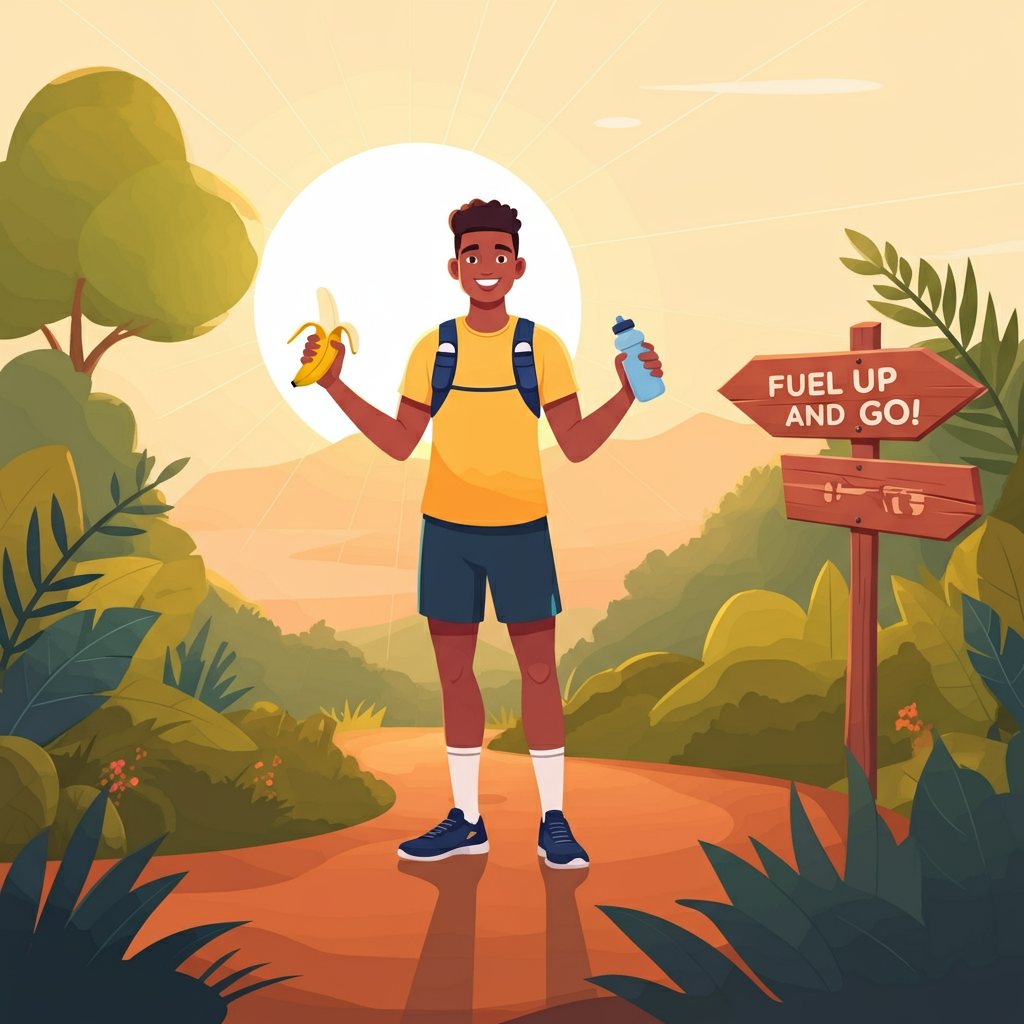
- A banana: The undisputed king of pre-run snacks. It's full of potassium and carbs, and it's practically nature's energy bar.
- A small handful of pretzels or crackers: Salty, crunchy, and packed with simple carbs. What’s not to love?
- An energy gel or chew: These are designed specifically for quick energy delivery. They are perfect when you’re short on time and need a fast-acting fuel source.
- A piece of toast with honey or jam: Simple, effective, and delicious. The sugars will give you that instant boost you need.
This is where our hero, the banana with a schmear of peanut butter, comes into play. It’s the perfect duo: the banana provides quick carbs, while the peanut butter offers a little protein and fat for more sustained energy. It’s the unsung hero of morning runs for a reason.
Foods to Avoid: The Runner's "Do Not Eat" List
Just as important as knowing what to eat is knowing what to avoid. Some foods are practically guaranteed to make your run less enjoyable. We’ve all been there, and we’re here to help you learn from our mistakes.
- Anything excessively fatty or greasy: That bacon and egg sandwich might sound tempting, but fatty foods take a long time to digest and can sit heavily in your stomach.
- High-fiber foods: Lentil soup is amazing, but save it for your post-run recovery meal. Too much fiber can cause gas, bloating, and other digestive issues you don’t want to deal with.
- Spicy foods: Unless you enjoy the feeling of heartburn while trying to conquer a hill, it’s best to steer clear of anything with a lot of spice before a run.
- Dairy (for some): Many people find that dairy products can cause stomach upset during exercise. If you’re one of them, it’s best to avoid milk, cheese, and yogurt right before you lace up.
Don't Forget to Hydrate
Fueling isn't just about food; hydration is just as critical. Dehydration can quickly sap your energy and hurt your performance. Start sipping water a few hours before your run, and aim to drink about 16 ounces of water about an hour or two before you start.
You don't need to chug a gallon right before you head out, as that can lead to sloshing and discomfort. Just be mindful of your hydration levels throughout the day, not just in the moments before your run.
Your Run, Your Fuel
Ultimately, pre-run nutrition is incredibly personal. What works wonders for your running buddy might not work for you. The key is to experiment during your training runs—never on race day! - to figure out what your body responds to best.
Keep a small log of what you ate, when you ate it, and how you felt during your run. Did you feel energized? Sluggish? Did you have to make an emergency stop? This will help you fine-tune your personal fueling strategy.
So, the next time you find yourself staring into the fridge before a run, remember to keep it simple. Reach for those easy-to-digest carbs, stay hydrated, and save the culinary adventures for after you've crossed the finish line. Your stomach will thank you.
Team Next Lap
Contributing author at Next Lap