
Let's be honest. If you've spent enough time running, cycling, swimming, or training for endurance sports, you've probably had an injury scare at somepoint.
Maybe it was a stubborn knee pain that appeared out of nowhere. Maybe your shin started protesting halfway through a training block. Or perhaps your body simply decided that it had enough after weeks of hard training.
The truth is, injuries and recovery are part and parcel of every athlete's journey. Whether you're training for your first 5K, preparing for a marathon, or chasing a triathlon finish line, setbacks can happen.
The good news? Most injuries are preventable. And even when they do happen, recovery can become an opportunity rather than a roadblock.
Why Do Most Sports Injuries Happen?
Many athletes spend hours searching for the perfect running shoe, the ideal training plan, or the best recovery drink. Yet the most common cause of injury is surprisingly simple.
Too fast. Too much. Too soon.
That's it.
Your body is incredibly adaptable, but it needs time to adjust to new training loads. When you suddenly increase your mileage, intensity, or training frequency, your muscles, tendons, and joints often struggle to keep up.
One week you're running 15 kilometers. The next week you're pushing 35 kilometers because motivation is at an all-time high. It feels productive in the moment, but your body may have other plans.
Progress in endurance sports is rarely about giant leaps. It is usually about small, consistent steps taken over weeks and months.
The Secret Weapon: Patience
Every athlete loves improvement. We all enjoy seeing faster pace numbers, longer distances, and stronger performances.
But the athletes who stay in the sport for years understand one important lesson: fitness grows gradually.
Think of training like building a house. You wouldn't rush the foundation and expect the structure to stay standing. The same principle applies to your body.
Increasing your training load gradually allows your muscles, bones, and connective tissues to adapt safely. It might not feel exciting, but it is often the difference between a breakthrough season and weeks spent sitting on the sidelines.
Warm-Ups Are Not Optional
We've all done it.
You arrive for a run, glance at your watch, and immediately start moving at race pace because you're short on time.
Your body, however, is still catching up.
A proper warm-up prepares your muscles, increases blood flow, improves mobility, and helps reduce injury risk. It doesn't have to be complicated or time-consuming.
A few minutes of easy jogging, dynamic stretches, and movement drills can make a noticeable difference in how your body feels during training.
Equally important is what happens after the workout.
Cooling down, walking for a few minutes, stretching, and allowing your heart rate to gradually settle can support recovery and reduce stiffness the following day.
Your future self will thank you.
Why Cross-Training Makes You Stronger
Many runners think the solution to becoming a better runner is simply running more.
Sometimes that works. Sometimes it leads straight to overuse injuries.
This is where cross-training becomes valuable.
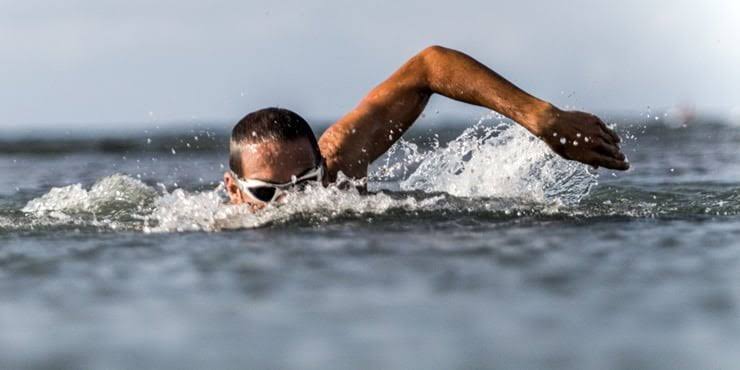
Activities such as swimming and cycling help build cardiovascular fitness while giving certain muscles and joints a break from repetitive impact.
Swimming, in particular, is often described as active recovery disguised as exercise. It challenges your cardiovascular system while being gentle on the body.
Cycling can also help develop endurance and leg strength without the pounding associated with running.
The goal is not to replace your primary sport. The goal is to build a stronger, more resilient athlete.
What If You're Already Injured?
Despite our best efforts, injuries can still happen.
And when they do, the physical pain is often only part of the challenge.
For many athletes, being unable to train creates frustration, disappointment, and even a sense of loss. Training becomes part of your routine, identity, and social life. Suddenly losing that can feel surprisingly difficult.
If you're dealing with an injury right now, know that these feelings are completely normal.
Recovery is not just physical. It is mental as well.
Instead of focusing entirely on what you cannot do, try shifting your attention toward what remains possible.
Maybe running is temporarily off the table, but mobility work is available.
Maybe long rides aren't possible, but swimming feels comfortable.
Maybe intense training isn't an option, but strength work and flexibility exercises can still help you improve.
Recovery doesn't mean doing nothing. It means doing what your body currently allows.
Mobility: The Most Ignored Training Session
Many athletes are willing to spend hours training but struggle to spend fifteen minutes on mobility.
Ironically, mobility work is often what helps keep the body moving well in the first place.
Simple stretching routines, foam rolling, mobility drills, and movement exercises can improve flexibility, joint function, and overall comfort.
The best part is that mobility sessions don't require expensive equipment or a specific fitness level.
A little consistency goes a long way.
The Power of Relaxation
This might be the most underrated recovery strategy of all.
Relax.
Not every day needs to be productive. Not every week needs a personal best. Not every season needs a race medal.
Sometimes the smartest thing an athlete can do is rest.
Sleep a little longer. Read a book. Spend time with family. Enjoy a slow morning without checking training metrics every few minutes.
Recovery periods often feel frustrating when you're in them. But many athletes look back later and realize those quieter weeks helped them return stronger, healthier, and more motivated.
In many ways, relaxation is a blessing in disguise.
The body heals. The mind resets. And eventually, when the time is right, you'll return to training with renewed energy.
Final Thoughts
Injuries are an unfortunate part of endurance sports, but they do not have to define your journey.
Train gradually. Warm up properly. Embrace cross-training. Prioritize mobility. And when recovery becomes necessary, give yourself permission to slow down.
Remember, fitness is not built in a single workout, and neither is recovery.
The goal is not just to train hard. The goal is to stay healthy enough to keep doing what you love for years to come.
Because the finish line isn't going anywhere. And when your body is ready, you'll be back chasing it again.
Team Next Lap
Contributing author at Next Lap